
Mycotoxins in Swine Production: The Impact of DON on Pig Health and Farm Performance
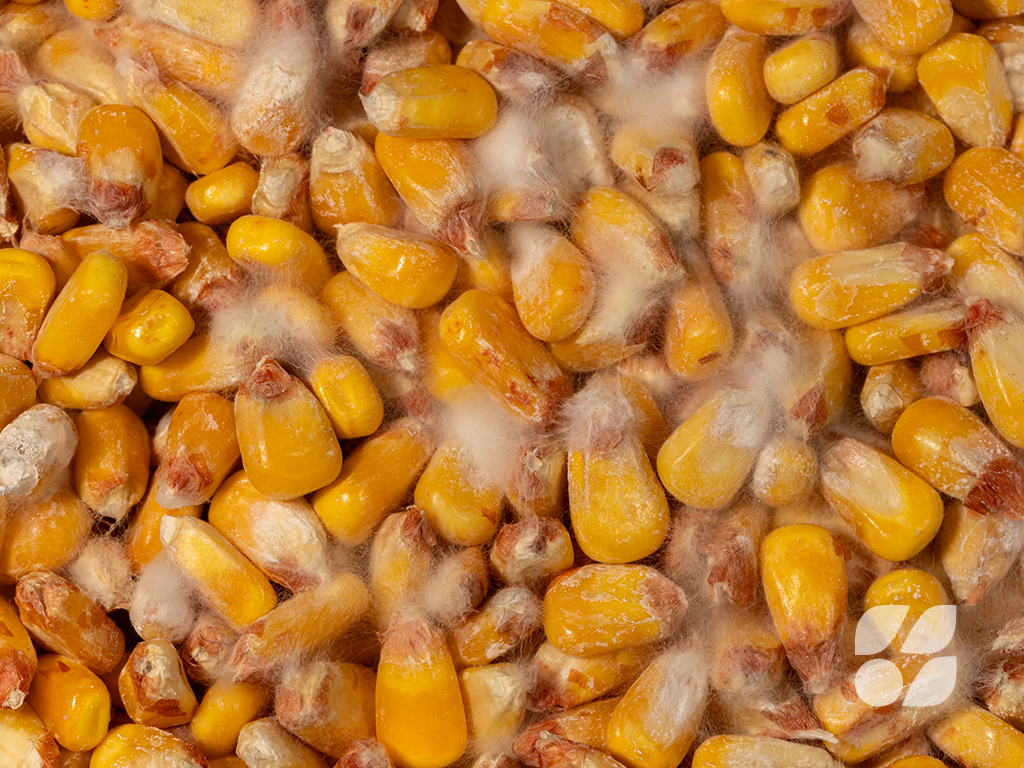
Mycotoxins in swine production are among the most dangerous hidden problems that can significantly affect feed intake, growth performance, reproductive parameters, and the economic efficiency of production. One of the most widespread and practically significant toxins is DON, or deoxynivalenol, which is also commonly referred to as vomitoxin.
DON is produced by fungi of the Fusarium genus, particularly Fusarium graminearum, mainly before harvest. This mycotoxin is most commonly found in corn, wheat, and their by-products, including DDGS. DON contamination is also frequently detected in barley, sorghum, rye, and other cereal grains. This is especially critical for swine production because pigs are considered one of the most sensitive animal species to the effects of this toxin.
Why DON Is Dangerous for Pigs
Deoxynivalenol in swine production is highly important due to its direct impact on the animal’s body. DON disrupts protein synthesis, affects the immune system, and alters neurotransmitter activity in the brain. As a result, even relatively low concentrations of this mycotoxin can influence animal behavior, feed intake, and overall physiological condition.
Acute toxicity occurs less frequently, but in such cases vomiting, diarrhea, severe gastrointestinal damage, and even sudden death may occur. Much more commonly, farms encounter chronic DON exposure, which does not always present obvious clinical signs but still causes significant economic losses.
How DON Affects Swine Productivity
The most typical consequence of DON exposure in pigs is a sharp reduction in feed intake. As a result, average daily gain decreases, feed conversion worsens, and overall feeding efficiency declines. For the farm, this means not only slower animal growth but also direct economic losses.
What makes DON particularly dangerous is that mycotoxicosis caused by this toxin often extends beyond appetite suppression. In practice, the following issues may also occur:
- immunosuppression
- increased pig mortality
- higher mortality in newborn piglets
- reduced fertility
- high embryonic mortality
- fetal mummification
- abortions
- vulvovaginitis
- prolapses
Thus, DON in swine production affects not only fattening performance but also reproduction, herd survivability, and the stability of production indicators.
Conditions That Increase the Risk of DON Contamination
A high probability of DON presence in grain is associated with weather conditions during crop growth and maturation. Conditions especially favorable for toxin development include a combination of elevated humidity and temperature fluctuations. If warm and cool periods alternate during a humid season, the risk of mycotoxin contamination in cereal grains increases significantly.
For this reason, grain quality control in swine production should begin at the raw material level rather than only at the finished feed stage.
What DON Levels Pose a Risk to Pigs
Not only the presence of DON but also its concentration in feed or grain is critically important. In grower and finisher pigs, DON levels up to 1 ppm usually do not cause obvious clinical signs. However, increased concentrations may already negatively affect productivity.
In general, the situation can be summarized as follows:
- DON levels up to 1 ppm usually do not cause noticeable symptoms
- DON levels of 2–8 ppm may cause a sharp reduction in feed intake and slower growth
- DON levels around 10 ppm may lead to complete feed refusal, vomiting, diarrhea, severe gastrointestinal damage, and animal death
For producers, this means that even moderate grain contamination can have a measurable impact on feeding performance.
Why Laboratory Monitoring of DON Is Essential
Mycotoxins in swine production cannot be reliably assessed visually. Even grain without obvious signs of mold may contain dangerous levels of DON. Therefore, regular laboratory testing of grain raw materials and feed is essential for proper risk control.
This approach allows producers to:
- detect contamination in a timely manner
- assess the degree of risk for different pig age groups
- make decisions regarding the use or restriction of contaminated grain batches
- select preventive or corrective measures
How to Reduce the Risk of Mycotoxicosis in Swine Production
Since the consequences of DON exposure can be extremely costly for farms, prevention is the most justified approach. In practical swine production, the following strategies are commonly used to reduce risk:
- regular laboratory monitoring of grain and feed
- use of mycotoxin binders in animal nutrition
- application of mold inhibitors during grain storage
- control of raw material moisture levels
- proper storage management of feed ingredients
This comprehensive approach helps reduce mycotoxin pressure, maintain feed intake, minimize productivity losses, and improve the stability of production results.
Conclusion
DON, or deoxynivalenol, is one of the most dangerous mycotoxins in swine production. Its presence in grain and feed can lead to reduced feed intake, suppressed growth, reproductive disorders, increased mortality, and serious economic losses.
Because pigs are especially sensitive to this toxin, DON control must be an essential component of every farm’s feed safety system. Regular laboratory analysis, proper grain storage, the use of mycotoxin binders, and preventive management solutions are practical and effective tools for reducing risks and protecting animal productivity.