

Expanding sales markets is not only the desire of the producer, but also the result of trade missions.” – Dmitry Dubovikov
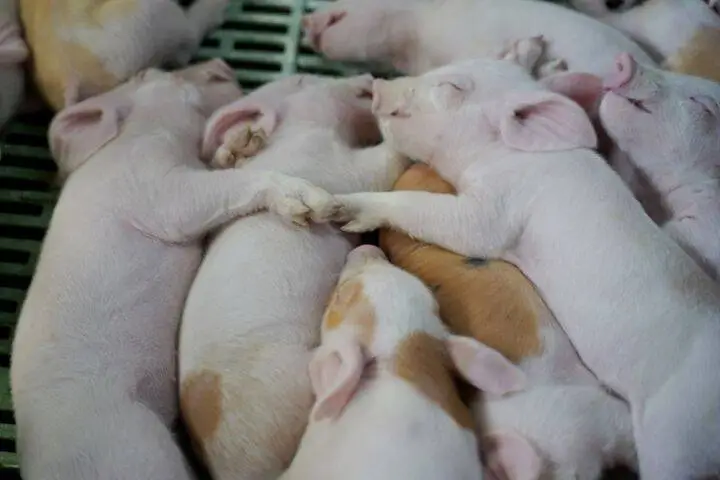
Production of pork is like running hurdles: once every 4-5 years, the profitability of this sector decreases. However, professional farms not only navigate the distance with minimal losses but also actively manage to build new farms and increase the number of pigs. Dmitry Dubovikov, Director of the Swine Department of the VITAGRO group of companies, told Latifundist.com in an interview why the enterprise manages to reduce production costs, why the company intends to double the number of sows next year, why pig farmers do not use antibiotics as growth stimulants, what the prices of pork will be by the end of the year, etc.
Latifundist.com: When did VITAGRO start pig farming? What difficulties did you encounter at the initial stage?
Dmitry Dubovikov: In July 2010, the first pigs were imported to the sow farm-reproducer built in the village of Svirshkivtsi in the Chemerovets district of the Khmelnytsky region. As for the difficulties encountered, I can only judge from eyewitness accounts, as I myself took over the direction within the Group of Companies in 2017. For the founders, initially, the main difficulty was the lack of knowledge about modern pig farming.
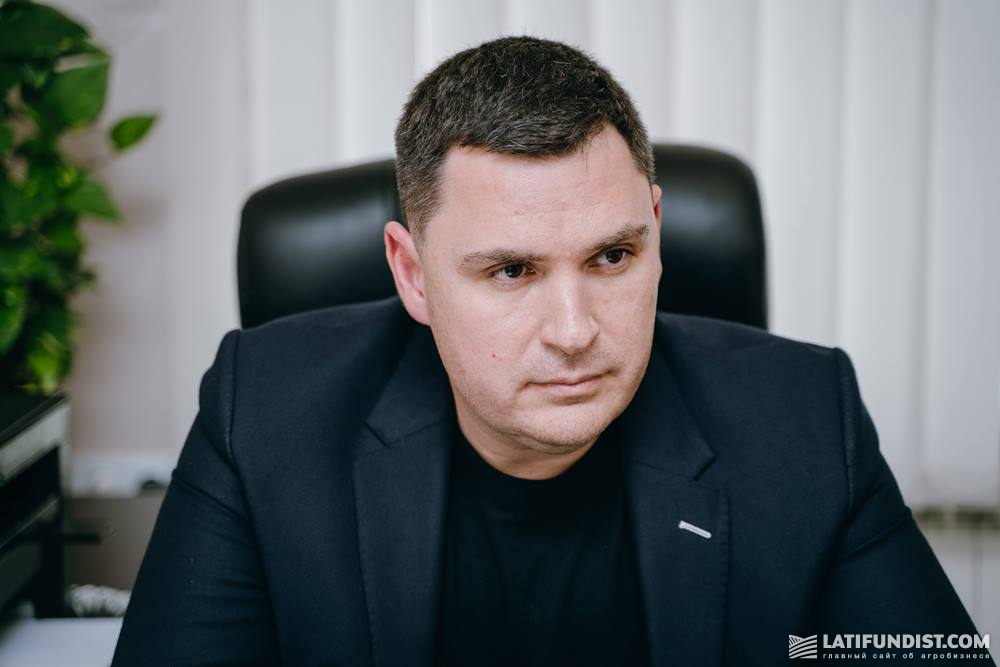
Dmitry Dubovikov, Director of the Swine Department of the VITAGRO group of companies.
Latifundist.com: It is known that the profitability of pig farming is cyclical. What factors influence the profitability of pig farming?
Dmitry Dubovikov: Pig farming becomes unprofitable once every 4-5 years when the cost of pork exceeds the selling price. Such a situation may arise due to several factors. For example, due to changes in the exchange rate to which the feed base is tied. After all, feed accounts for 70-80% of the cost structure of pork. Additionally, the profitability of Ukrainian pork production can be affected by the cost of imported products, demand for pork in European markets. Besides, the cost of pork production at a particular enterprise depends on whether it is solely a fattening farm or has its own animal reproduction.
By the way, due to African Swine Fever (ASF), the global population of pigs has significantly decreased. This means that the supply of pork in the world has decreased while demand has not. Consequently, the price of the product has increased. Of course, risks are also increasing. Everyone understands that if the disease “comes” to the farm, there will be colossal losses.
Latifundist.com: What is the current capacity of the company’s pig complex?
Dmitry Dubovikov: The complex is located on several production sites, and this is our fortune. Because when farms are located at a certain distance from each other, there is an opportunity to minimize the risks of disease spreading to the entire herd if the infection penetrates one of the sites. Today, the total number of sows in the enterprise is 5300, and the total number of pigs of all age and gender groups is around 80,000. Overall, we have actively started increasing the number of sows since 2014.
Latifundist.com: Do you plan to increase the number of pigs?
Dmitry Dubovikov: Definitely. The company’s plans include increasing the number of sows to 11,500 by 2022. In 2021, we plan to build 3 reproducers and fattening sites for them. As part of this direction, we also plan to implement a project to build a modern grain storage facility for the needs of the feed mill.

Dmitry Dubovikov
Latifundist.com: Where will you be building new farms?
Dmitry Dubovikov: We will also be building in the Khmelnytsky region, where the existing pig farms of the complex are located. Actually, this is the region where our company operates. And pig farming is closely tied to leased land. That is, where our lands are, where there is the possibility of applying manure as fertilizer, there will be our farms.
Latifundist.com: So neither the coronavirus pandemic nor the related quarantine measures affected the company’s investment plans?
Dmitry Dubovikov: No. We completed most of the work before the quarantine. So, there was no need to stop.
Latifundist.com: How much production does the complex sell per month?
Dmitry Dubovikov: On average, 8000-10000 pigs per month, but this figure increases every month.
Latifundist.com: How much does one pig weigh?
Dmitry Dubovikov: A pig weighing 95 kg is considered commercial. But we calculated that the optimal weight for us for sale is 115-117 kg. Meat processing plants are less eager to accept animals weighing 120-122 kg.
Latifundist.com: What were the results of the enterprise in 2019?
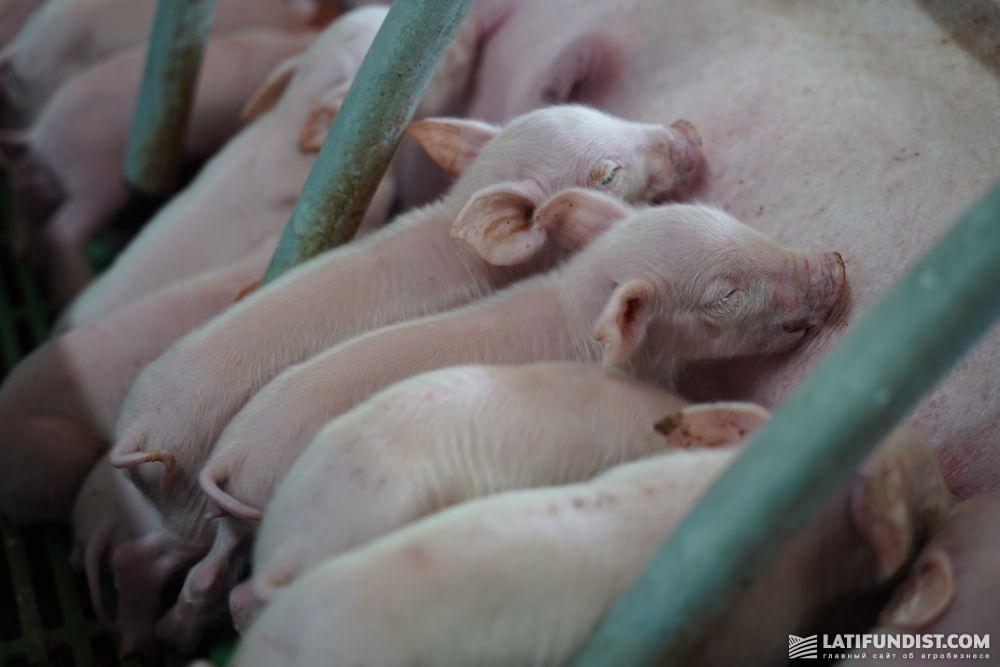
Dmitry Dubovikov: I will mention the main production indicators: the fertility rate of sows is 92%, the number of piglets born alive per litter is 16.5, the average daily gain in the suckling period (not more than 2 months, when sows feed piglets) is 220 g, the average daily gain in the growing period is 500 g, the average daily gain in the fattening period is 980 g.

Latifundist.com: What, in your estimation, will be the prices for live pigs by the end of the year?
Dmitry Dubovikov: I believe that the shortage of pork and the relatively high exchange rate of the dollar will keep prices in the range of 43-46 UAH per 1 kg.
Latifundist.com: Tell us about the conditions for keeping animals at the enterprise.
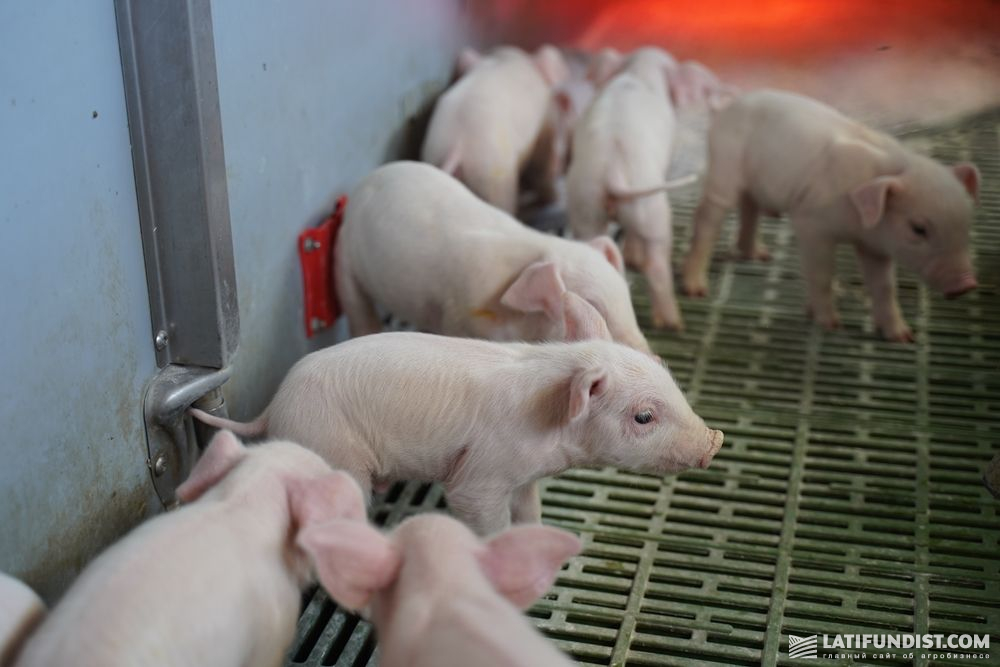
Dmitry Dubovikov: What can I say? Sometimes you can envy them. The farm buildings are equipped with ventilation, feeding, and maintenance systems from leading European companies. We have direct contracts for the supply of this equipment. I do not exclude that many innovations in the field of housing technology are being tested on new farms. Ventilation provides animals with a constant flow of clean fresh air. The feeding line automatically distributes feed, taking into account the established norms for each age and gender group of animals. The premises maintain an optimal temperature regime using cooling systems in summer and heating systems in autumn and winter.
Latifundist.com: What cultivation technology do you use?
Dmitry Dubovikov: This is intensive Danish pig farming technology on slatted floors. In fact, there is no official classification of technologies. Modern methods and principles of pig husbandry in different countries are approximately the same.
Therefore, pig farmers have been using slatted concrete floors for a long time. Thanks to the openings in the floor, it is easier to remove manure and animal waste products. This ensures cleanliness in the premises and compliance with high sanitary standards. Concrete floors are used for adult animals, and plastic floors are used for piglets in the premises.
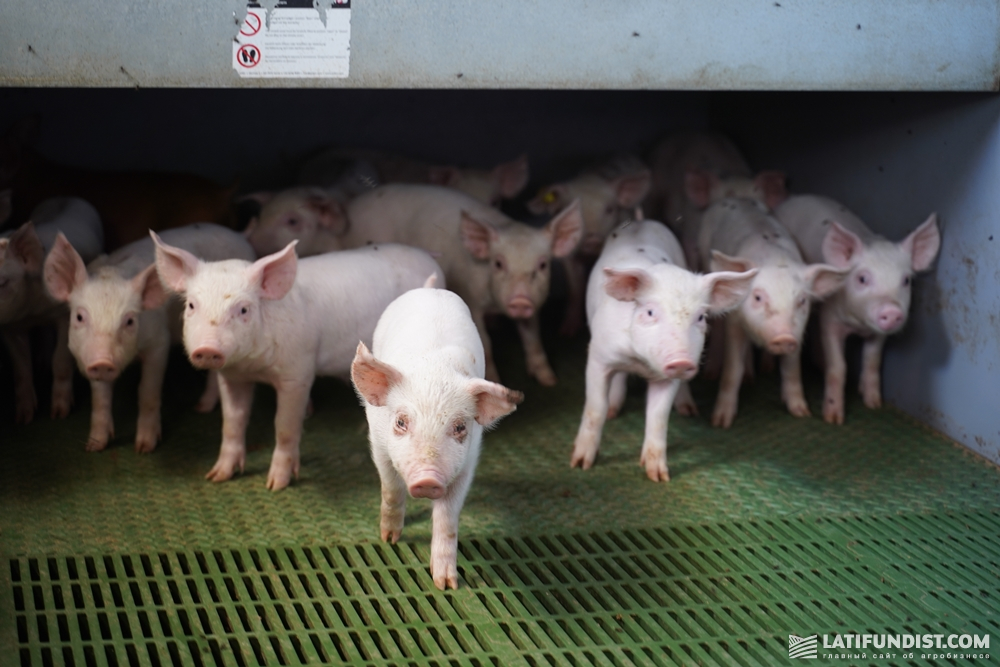
In the premises for adult animals, concrete floors are used, while for piglets, plastic floors are used.
It’s understood that over the years, the technology has undergone some changes, but they are insignificant and mostly relate to the improvement of production software.
Latifundist.com: What breeds of pigs are on your pig complex?
Dmitry Dubovikov: The main ones are Danish Landrace, Yorkshire, and Duroc. Relatively recently, we imported breeds of Canadian selection. We launched our own breeding farm.
Latifundist.com: Have you tried working with Ukrainian breeds? Why?
Dmitry Dubovikov: No, we haven’t tried. Within the VITAGRO group of companies, we haven’t. My personal experience working with domestic genetics at another enterprise showed that the revenue from selling one unit of product, in most cases, does not cover the costs incurred in its cultivation. Low growth energy, as a result, high production costs, make domestic genetics unattractive in the eyes of businessmen and investors.
Latifundist.com: Why did you decide to organize your own breeding farm?
Dmitry Dubovikov: When the number of sows began to increase, and the company planned further development and expansion of the pig breeding direction, the question arose of how to equip new farms. You can constantly import livestock from abroad or buy in Ukraine. When purchasing pigs within the country, there is a risk of introducing some infectious disease into the herd. Speaking of imported animals, their cost is greatly influenced by the situation in the global pork market. In particular, due to the fact that ASF has seriously affected herds in China, there has been an increase in demand and prices for breeding stock, precisely for the animals of those breeds that we used to buy in Denmark. The company does not want to depend on such situations. Therefore, we imported purebred animals and are engaged in the production of both purebred pigs and F1 (two-breed hybrids) for commercial production.
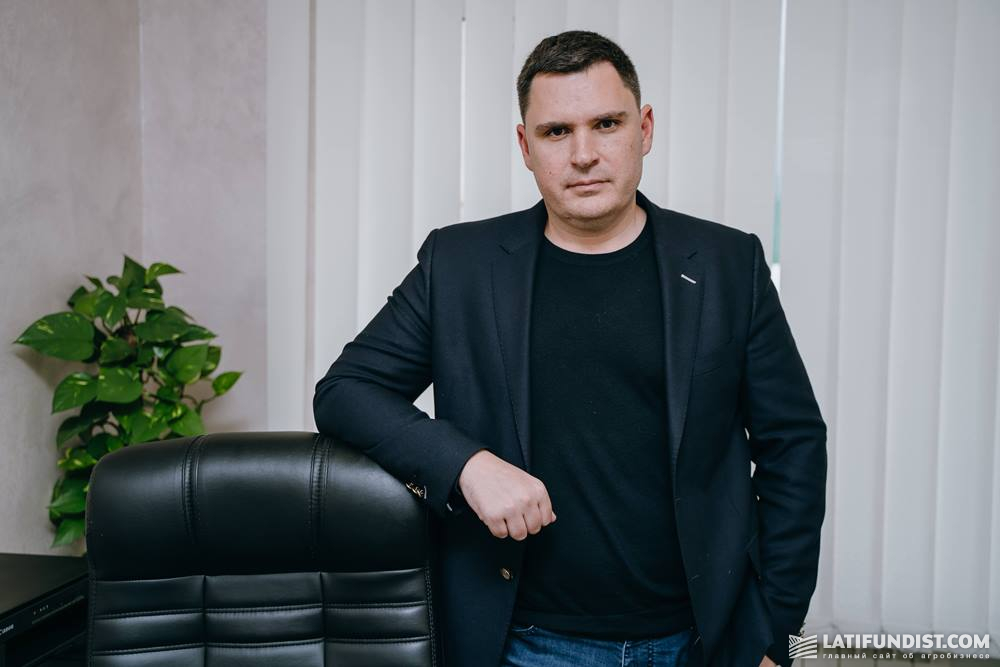
Dmitry Dubovikov
Latifundist.com: How do the imported and domestically raised piglets differ in cost?
Dmitry Dubovikov: In Ukraine, an F1 piglet costs EUR500-600 today. And the cost price of an animal from our own enterprise is 4,500 UAH.
Latifundist.com: Do you only raise them for yourselves or do you also sell them?
Dmitry Dubovikov: Initially, we focused on our own needs. But over time, we can sell piglets to other enterprises as well.
Latifundist.com: Does the company purchase feed for pigs or produce it itself?
Dmitry Dubovikov: We have our own feed mill, developed and equipped by one of the leading international equipment manufacturers for feed mills. The pig complex is the main customer of the feed mill within the Group. The technical capabilities of the mill allow for the production of a wide range of feeds for the needs of animals of different age groups and different genetics.
We mainly grow grains ourselves (the crop production direction of the VITAGRO company), partially purchasing them. The feed mill has a soy processing workshop. That is, we produce soybean meal and oil at our own facilities.
Latifundist.com: Do you use antibiotics as growth stimulants?
Dmitry Dubovikov: No. And don’t believe anyone who says they are used for this purpose in Ukrainian pig farming. It’s a very expensive pleasure. The cost will be overwhelming.
Latifundist.com: What sanitary safety measures are applied to protect pig complexes from ASF?
Dmitry Dubovikov: Since the ASF virus is not resistant to high temperatures, over the past 5-7 years, many farms have realized the need for feed processing (granulation or hygienization). Some have introduced shift work for staff, which reduces the risk of disease introduction to the farm by reducing contacts with people from the external environment. Naturally, farm workers are prohibited from keeping pigs on their homesteads. Mandatory showering by employees, complete clothing change before entering the farm, prohibition on bringing food onto the pig farm, preventive rodent control, additional washing and disinfection of vehicles — all these measures have long been established in industrial pig farming as mandatory to prevent the spread of the disease.
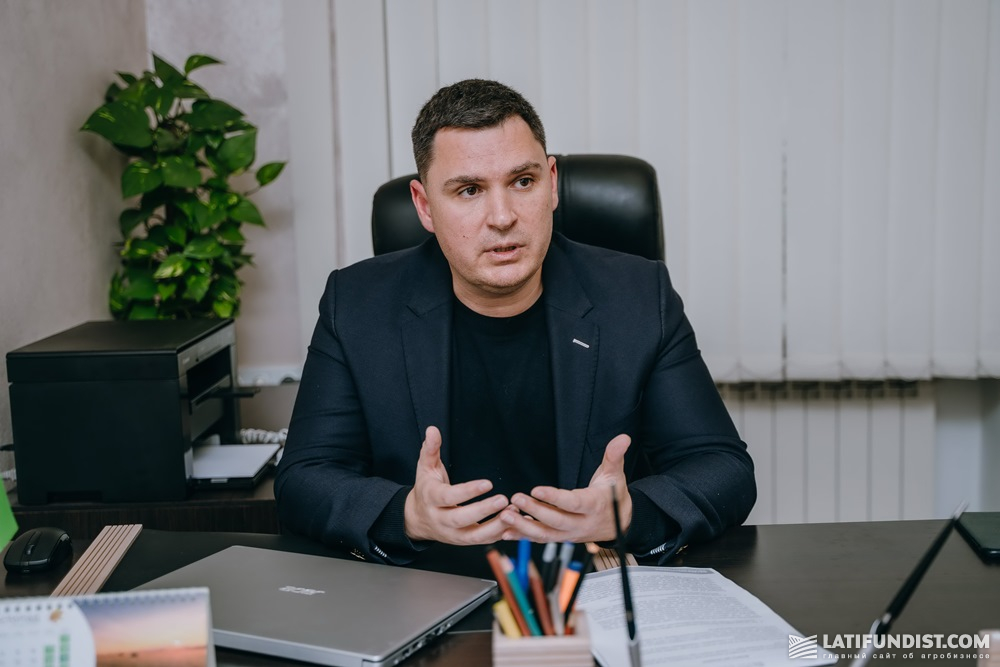
Dmitry Dubovikov
Latifundist.com: What infectious agents does the herd undergo monitoring for and how often?
Dmitry Dubovikov: There is mandatory monitoring, which includes checking the herd for the presence of brucellosis, leptospirosis, salmonellosis, African swine fever virus, and other dangerous diseases. Planned sampling and analysis are carried out quarterly. Also, twice a year, we sample and analyze for diseases that significantly reduce economic indicators. These include: PRRS, pleuropneumonia, salmonellosis, swine flu, and others.
Latifundist.com: Does the enterprise export its products or sell them on the domestic market?
Dmitry Dubovikov: We mainly sell on the domestic market. Due to the ASF situation in Ukraine, some countries have closed their borders and prohibited the import of pork and pork products into their territory. In addition, I believe that expanding markets is not only the desire of the producer but also the result of trade missions and negotiations between countries. In this sense, Ukraine still has a lot of work to do.
Latifundist.com: Does the company implement innovative projects on its enterprises? What are they?
Dmitry Dubovikov: We are currently studying and considering the implementation of purification systems that completely eliminate the odor of the exhausted air from the premises. An automatic system for additional feeding of piglets under sows with milk and liquid feeds is already being tested. I wouldn’t call biogas production innovative, but this issue is also actively being worked on.
Latifundist.com: What other plans does the company have for the near future?
Dmitry Dubovikov: The main thing, of course, is increasing the herd. So today, the company has a modern feed mill that allows us to control the cost of pork. We also plan to launch a new high-tech plant for the production of both feed and feed additives. We produce replacement stock for our commercial farms, so we are now less dependent on the price growth of pigs and boars in European countries. We just need to complete the cycle with meat processing. I can’t say these are plans for the near future, but after we increase the number of sow herds to 11,500, processing will provide an opportunity to protect ourselves from possible market manipulations.
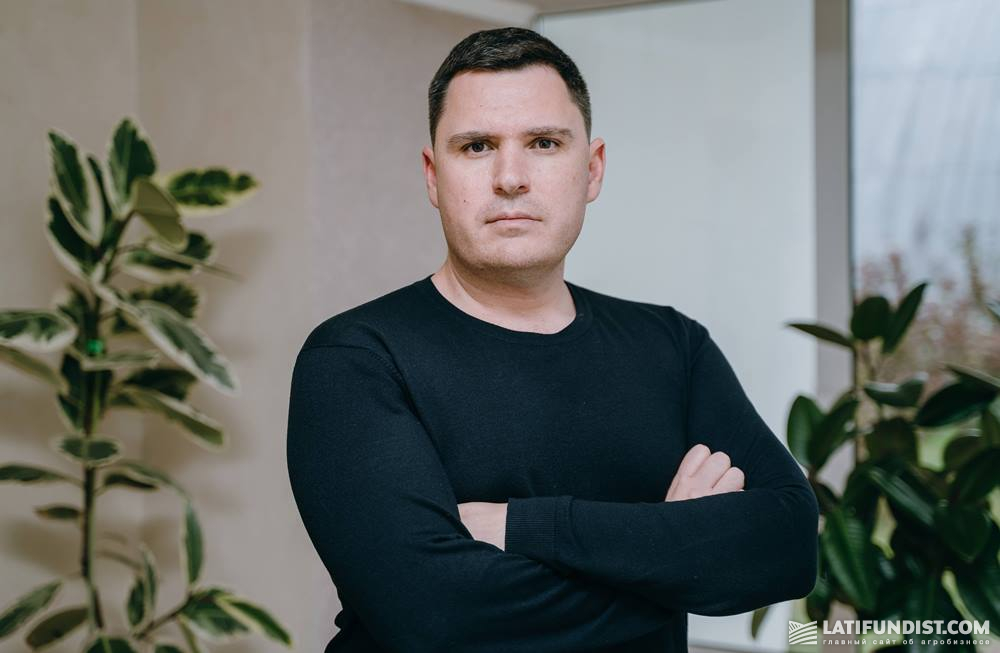
Dmitry Dubovikov
Latifundist.com: We wish you success in realizing all your plans and creating vertically integrated production.
Source:Latifundist.com