

How to create a successful, profitable pig farm — demonstrated through the example of VITAGRO pig complexes.
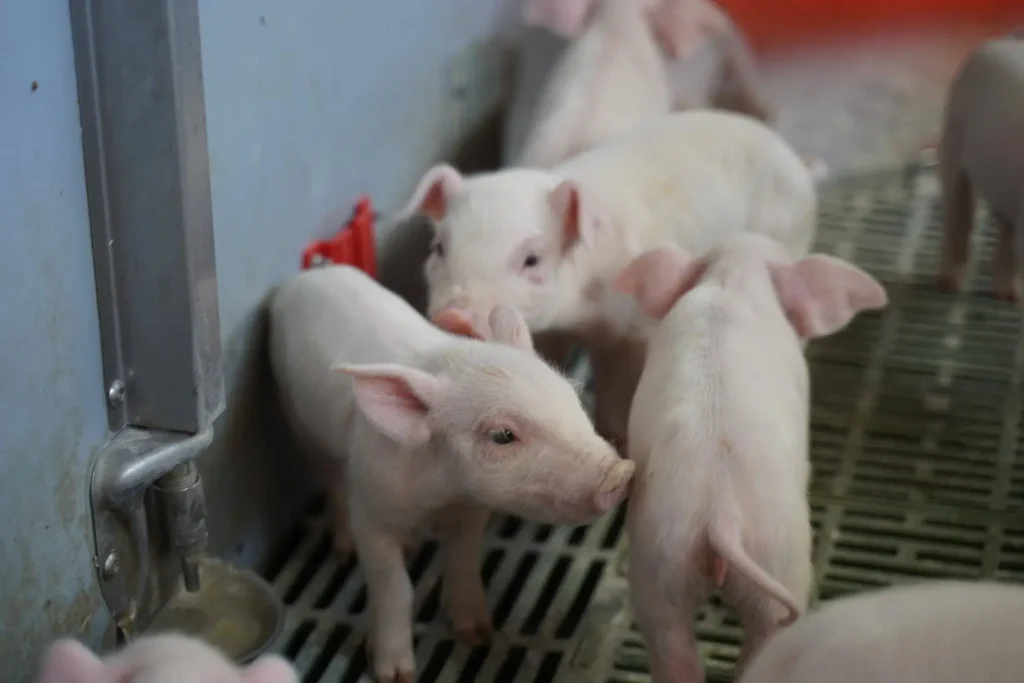
Last year, the State Statistics Service estimated an increase in the industrial supply of pork at 25.8 thousand tonnes (to 470.7 thousand tonnes). Overall, during this period 4.3 million pigs were sent for slaughter. Although the price of live pigs in Ukraine has remained at around €1.4/kg since 2017, the ASF situation significantly affects pig producers — the appearance of the virus at a pig complex can even lead to bankruptcy. This is where the state should intervene and support producers affected by ASF. Such support would stimulate the industry, as domestic pork consumption in Ukraine currently exceeds production, and pork producers have a market that requires increased output.
Pig producers also have significant export potential. In the first quarter of the current year, domestic operators shipped 0.62 thousand tonnes of fresh, chilled, and frozen pork abroad worth $1.8 million. This is twice as much as in the first quarter of 2019, and revenues from these operations increased 2.6 times. For comparison, the ranking leader, Spain, exported pork worth $5.2184 billion in 2019. As we can see, there is plenty of room for growth, and we also have the opportunities to achieve it.

Analysts predict that by 2027 global pork consumption will grow to 131 million tonnes, so there are clear prospects for the development of export supplies. Whether these prospects can be realized depends on the epizootic situation, state support for the industry, and, of course, on the market operators themselves. In Ukraine, there are farms whose approach to technology and the application of international experience in pig farming ensure business stability and profitability despite the challenging ASF situation. Among them is the VITAGRO group of companies. According to the Latifundist.com ranking, their livestock division is among the TOP 15 pork producers in Ukraine.
To demonstrate, using the example of a profitable pig complex, how advanced technologies affect the profitability of the industry, Kurkul.com together with the VITAGRO group of companies is launching the PROFIT Pig Farm project.
Introduction
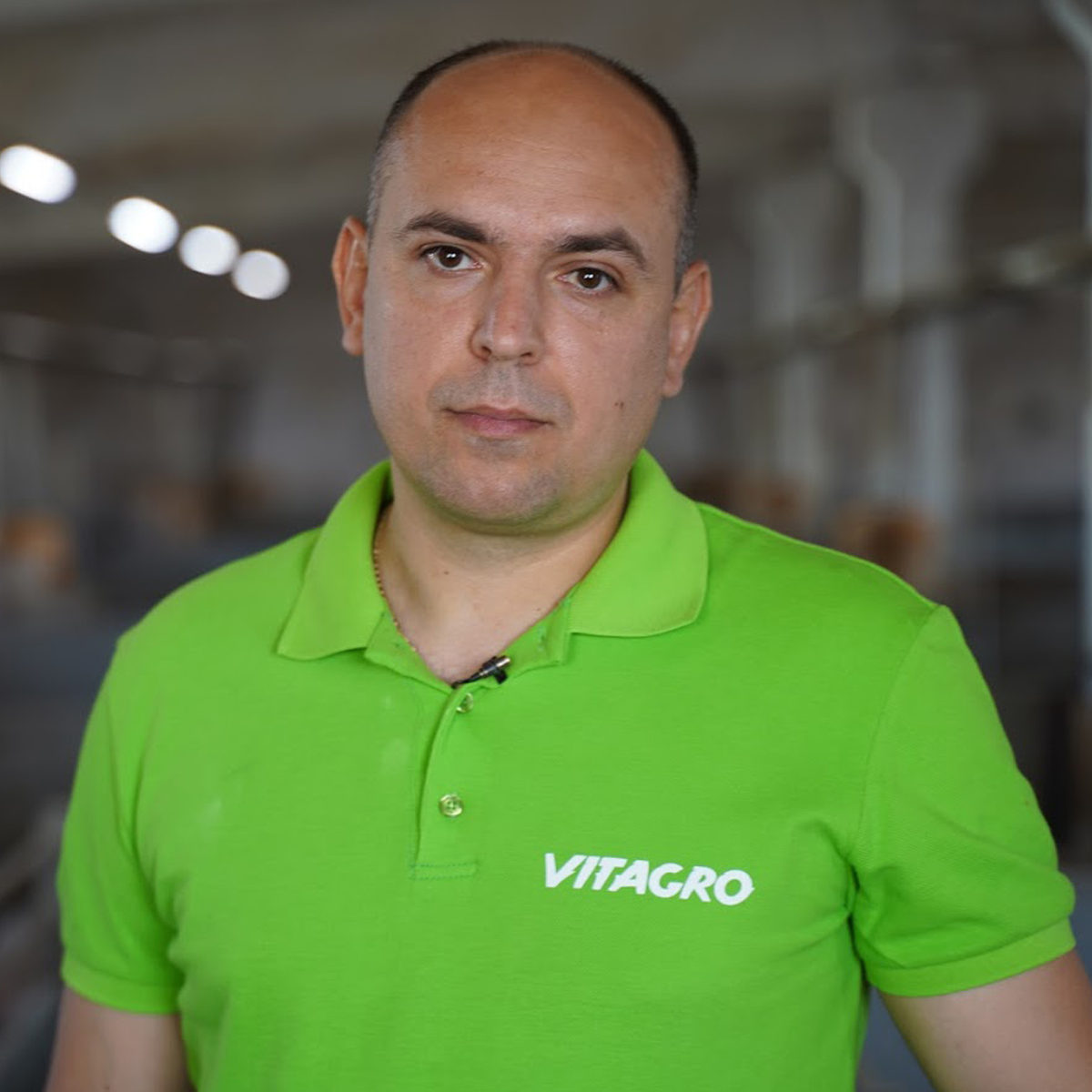
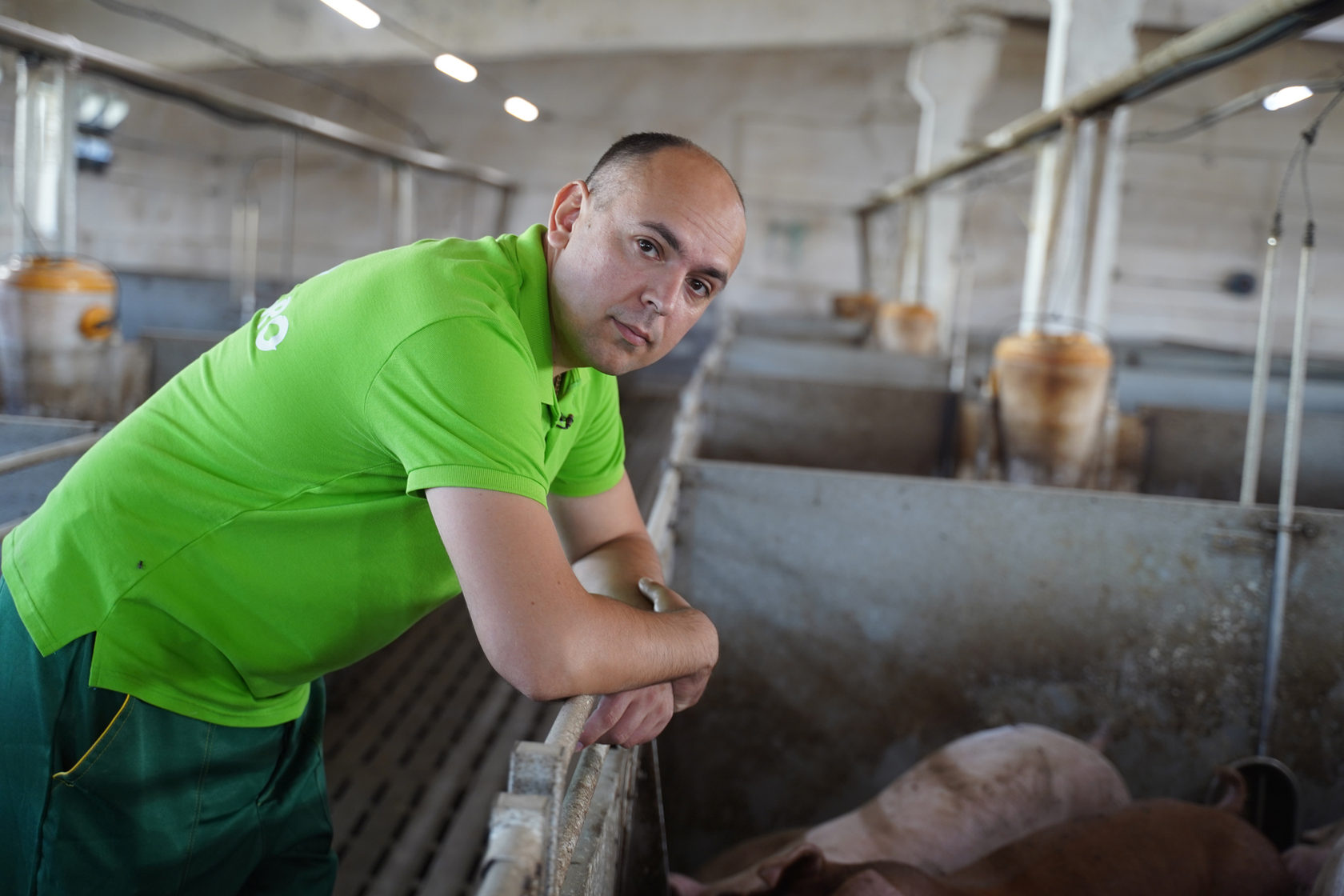
Our expert is Ivan Varvarchyn, Chief Technologist of the Pig Farming Department at VITAGRO. After obtaining a degree in biotechnology, he went to Denmark to gain international experience. Upon returning to Ukraine and assessing, in his words, the not very high level of domestic pig farming, Ivan decided to stay and develop this area of livestock production.
Here, our expert’s goal fully aligned with that of VITAGRO, and Ivan Varvarchyn joined the company’s pig farming department as a livestock specialist.
The VITAGRO group of companies is a powerful agricultural holding with more than 20 business areas, one of which is pig farming. Today, this segment of the company boasts a herd of 6,000 sows and 80,000 pigs. By the end of the current year, it is planned to increase this to 7,500 sows and more than 110,000 head of total livestock.
This is where the Danish experience proved useful. Today, Ivan Varvarchyn is a leading pig breeding technologist in Ukraine and enjoys working at the company, as he always sees continuous development, self-improvement, and new goals ahead of him.
VITAGRO Pig Complex
The animals at the VITAGRO pig complex are represented by Danish genetics — the Yorkshire and Landrace breeds are used. The hybrid obtained by crossing these two breeds is then mated with a terminal boar of the Duroc breed. The result is a three-breed hybrid that demonstrates excellent performance in terms of weight gain, feed conversion, and meat quality.
One pig complex with 1,300 sows and 12,000 piglets is serviced by 11 employees: livestock specialists, a veterinarian, a farm manager, and operators. The system is fully automated, maintaining optimal ventilation parameters and the required microclimate depending on the age of the animals.
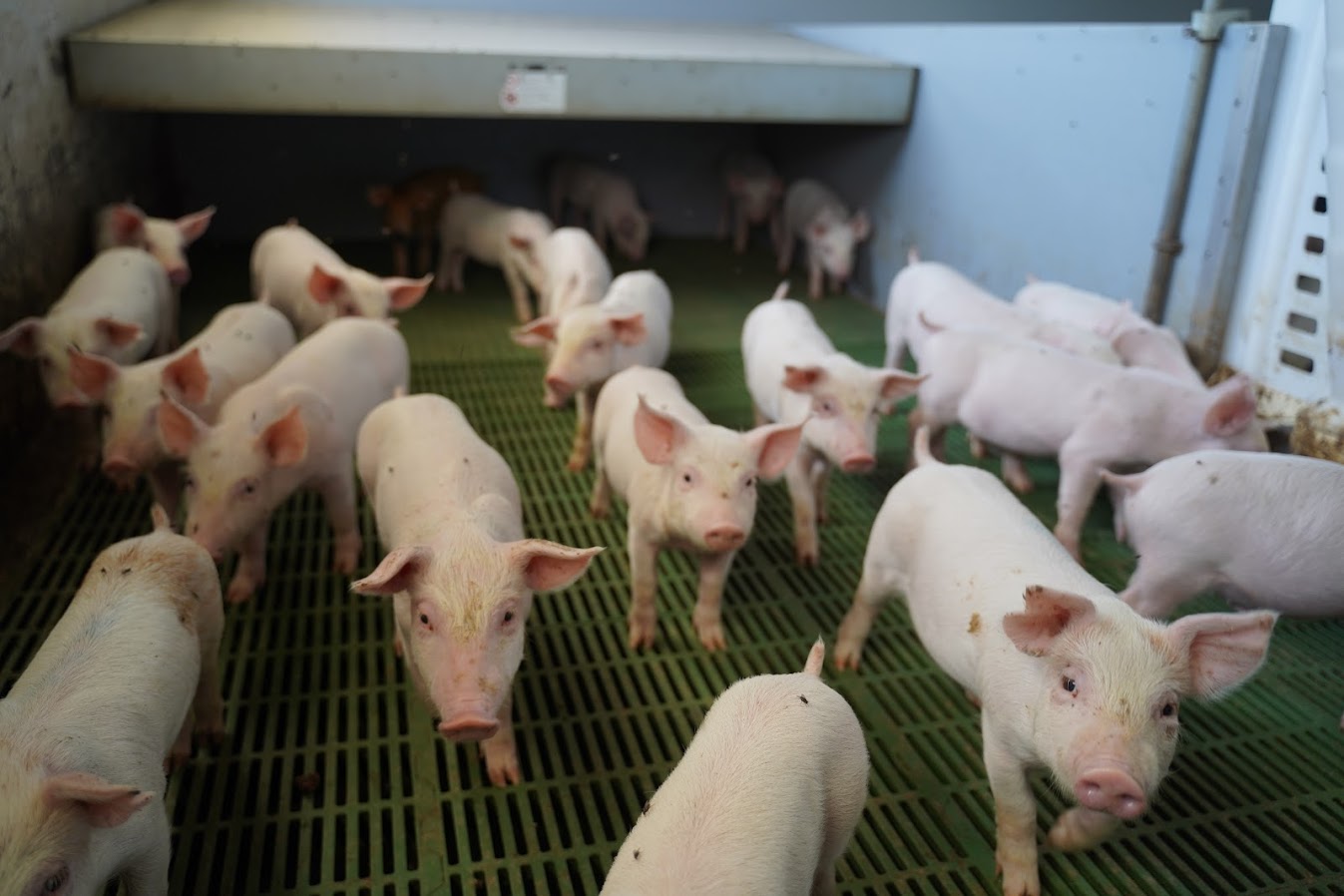
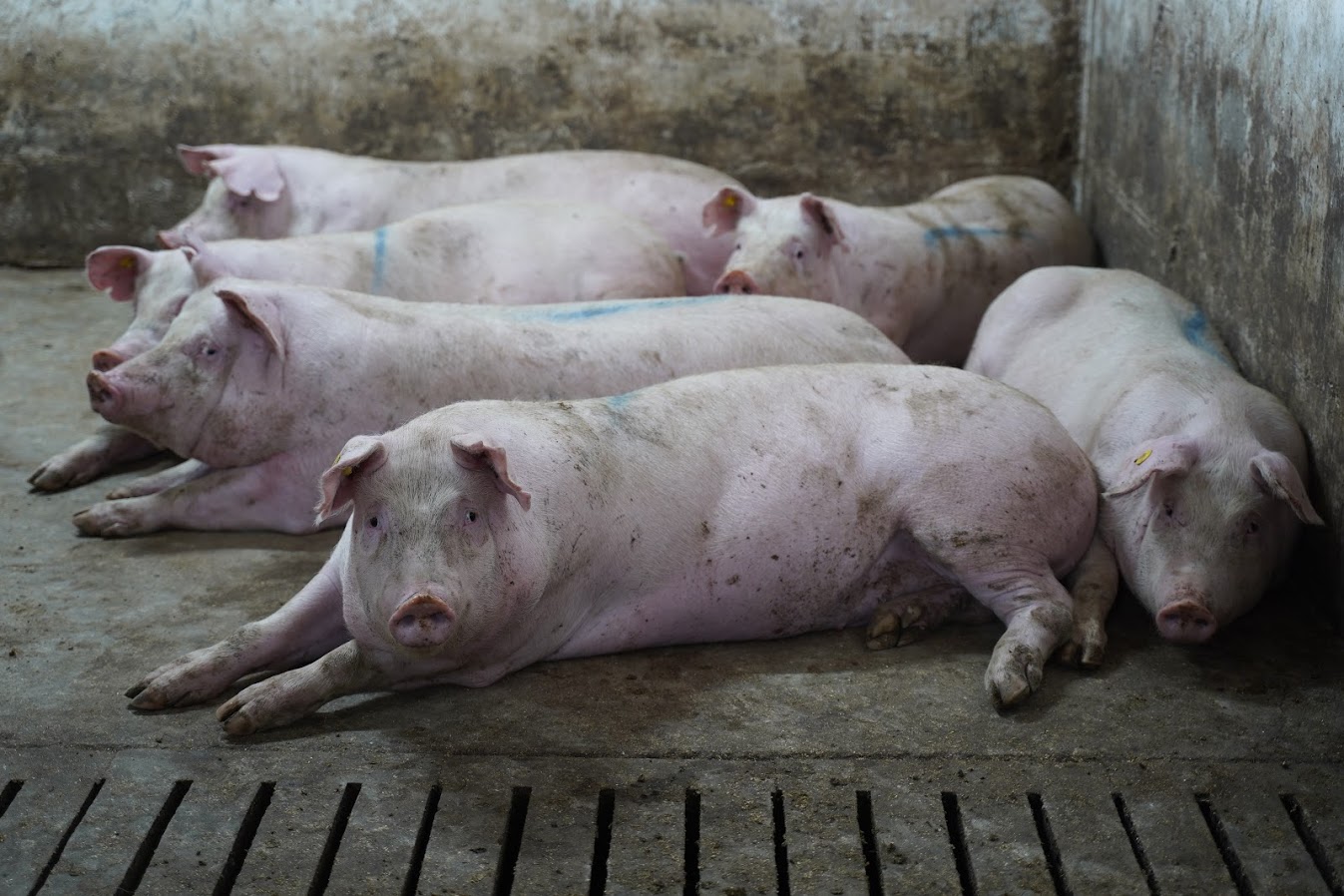
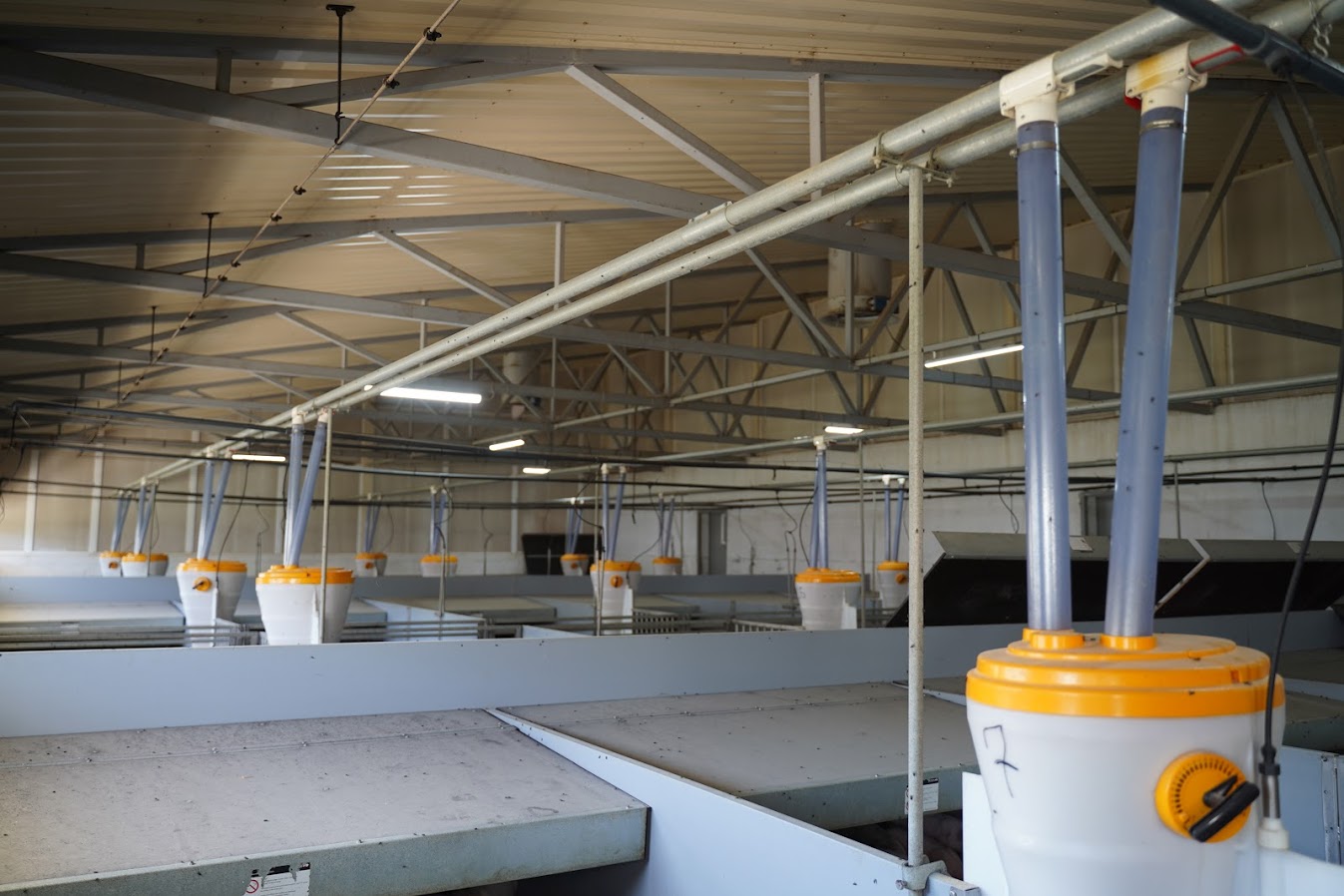
Feeding is also automated — feed is stored in feeders with dispensers, where the feed supply is regulated depending on the production unit. For example, in the farrowing unit, feeding is carried out three times a day.
Biosecurity
The key to success in livestock production is a high level of biosecurity on the farm. Today, the greatest threat to pig farming comes from infectious diseases. This is well understood at VITAGRO. The company’s pig complexes are restricted-access facilities. Hands and footwear are disinfected already at the checkpoint. The next stage is the sanitary control unit, where employees and visitors take a shower and receive a full set of clothing.
Bringing food products onto the premises is prohibited. Meals for staff are prepared in the on-site kitchen. Vehicles entering the pig complex territory are disinfected and held for a quarantine period. Throughout the entire area — before entering production buildings and in front of each unit — there are disinfection mats and hand sanitizers, just like in a hospital.
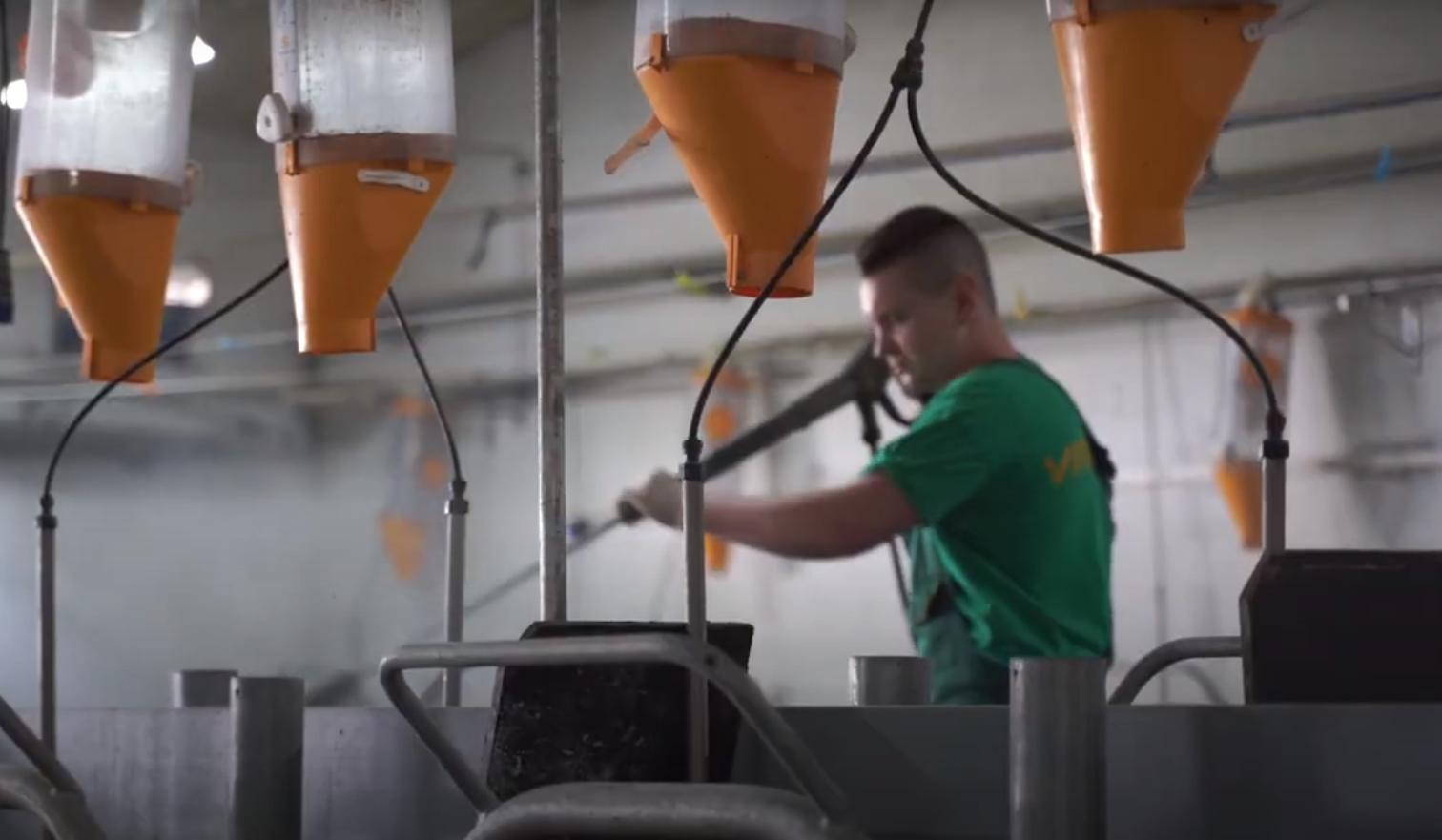
All these measures make it clear that biosecurity at VITAGRO is treated with the utmost seriousness. The same applies to the work of veterinarians. According to Ivan Varvarchyn, the department’s strategy is to prevent problems rather than eliminate them as they arise. This is achieved through vaccination against various diseases.
Replacement Gilts
We will begin our overview of housing and rearing conditions at the VITAGRO pig complex with replacement gilts. This age group, until reaching 80 kg, is fed ad libitum and requires space of approximately 1.2 m² per head. Upon reaching the 80 kg mark, the pigs are inspected and evaluated based on conformation, number of teats, and leg condition. If all parameters meet the requirements, they are transferred to the controlled-feeding unit.
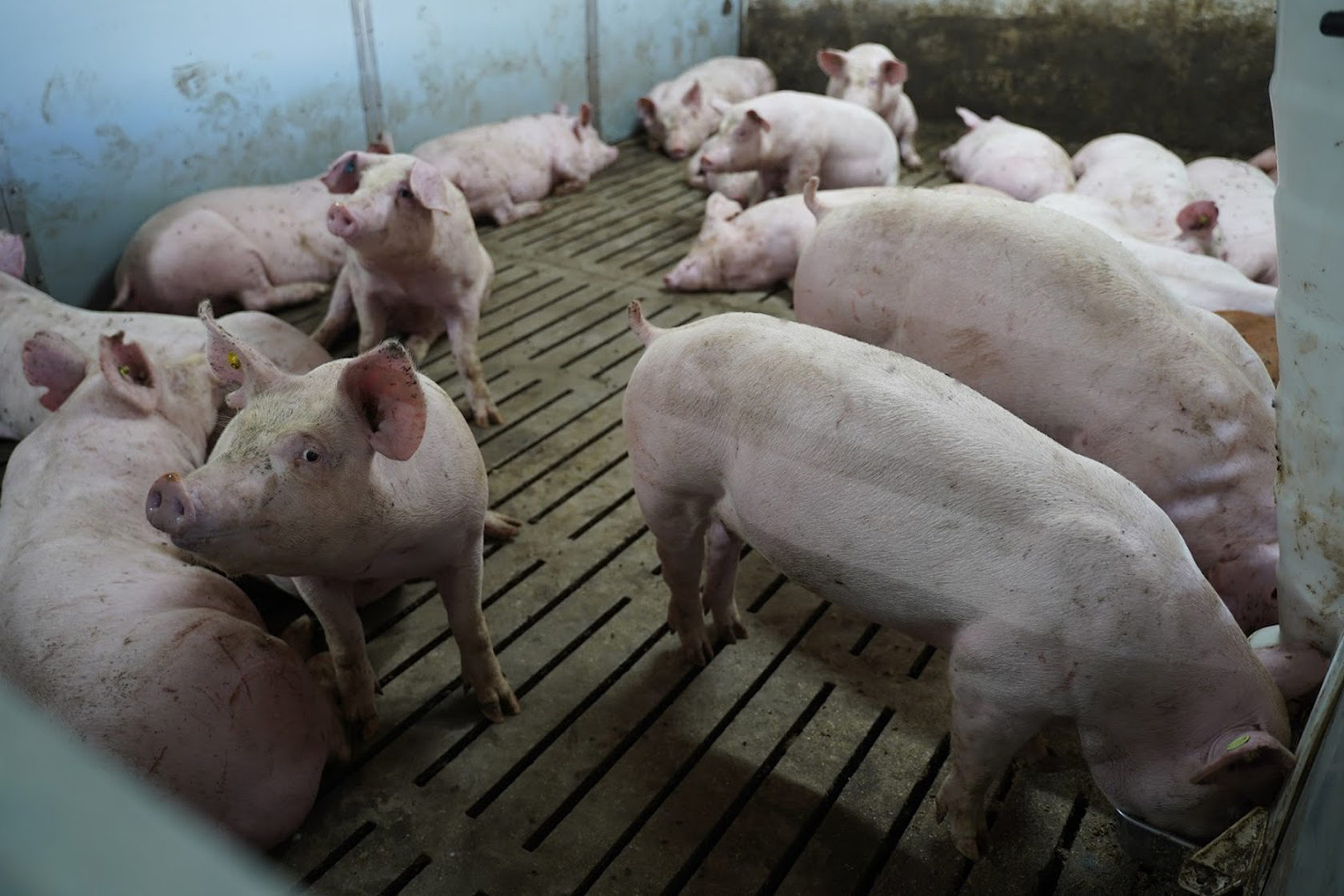
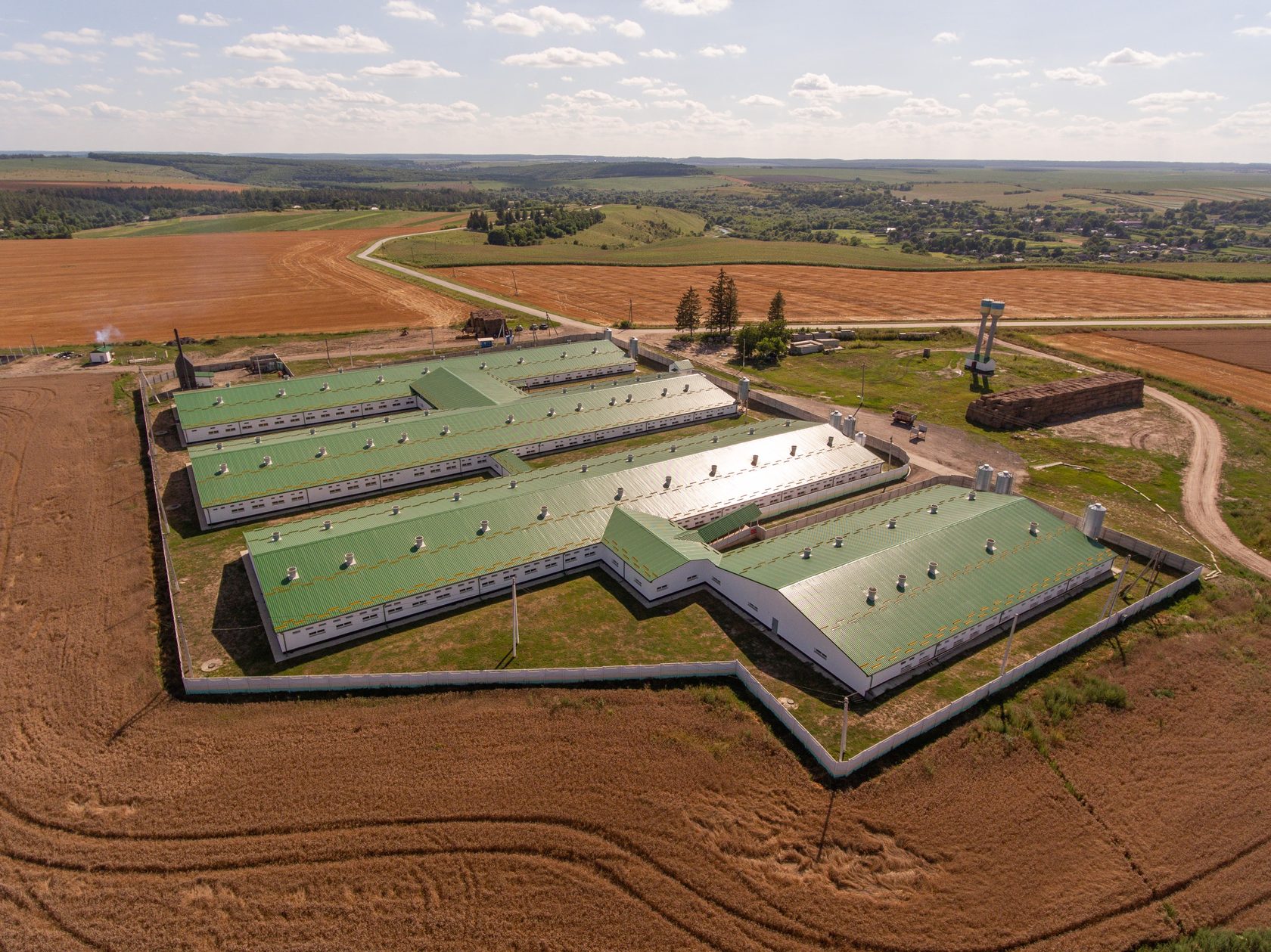
In the replacement unit above 80 kg, the diet is different. The energy value of the feed here is lower, but it contains a full spectrum of vitamins and minerals in accordance with the recommendations of Danish specialists. In general, according to Ivan Varvarchyn, the indicator of optimal feeding should be the gilt herself. If she looks good, it means the formulation is correct and the feed is of high quality.
Here as well, in the replacement gilt unit over 80 kg, the first estrus is detected. When operators identify the required condition in a gilt, they mark her for all necessary veterinary procedures — deworming, vaccination, etc. After the first estrus, if the gilt has reached the appropriate weight and age, she is transferred to the insemination unit.
Insemination Section
Work in the insemination and gestation units is very important, as these stages determine the health and number of piglets at farrowing. After semen is collected from a boar, its quality and viability are determined in the laboratory, which should be at least 70–80%, and a colorimeter is used to calculate density in order to determine the number of doses. Each dose is then diluted with distilled water and extender at a temperature of 36 °C. It is very important to avoid temperature fluctuations of more than half a degree during this process.
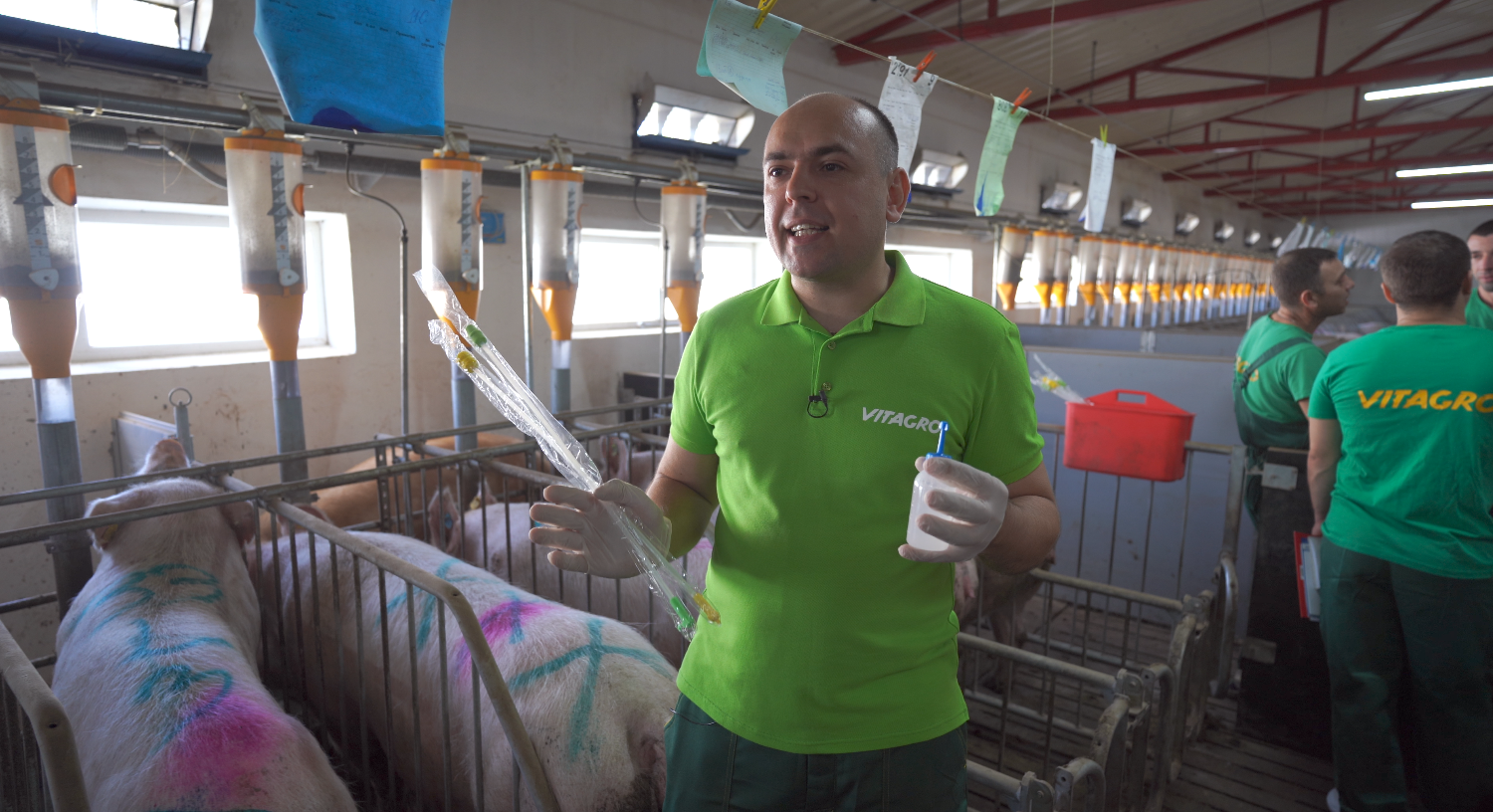
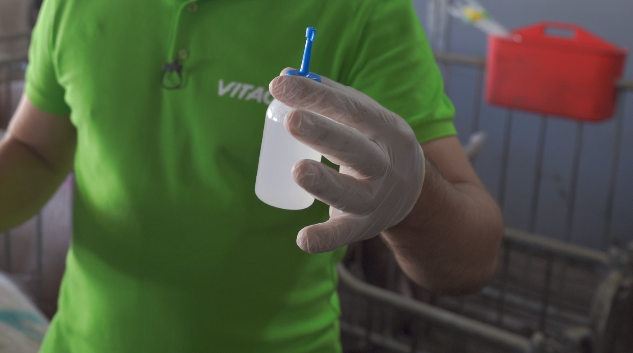
If the obtained material is not used immediately, it is stored in a refrigerator. If insemination is planned, the doses are packaged into 90 ml containers and used depending on the breed of the future sow. If it is a two-breed hybrid, semen from a Danish-genetics Duroc terminal boar is used; if it is a purebred Landrace gilt, she is inseminated with Yorkshire semen.
In the insemination section, sows remain until the 42nd day of gestation to ensure 100% confirmation of fertilization. After the first ultrasound scan on day 28, if there are still doubts, the sow’s card is marked in the technological insemination record so that the operator performs another examination on day 42.
Gestation Unit
After day 42 of gestation, pregnant sows are transferred to the gestation unit, where they remain in a calm environment until day 108. Operators do not disturb them unnecessarily, carrying out only morning and evening rounds and checking the condition of the sows — whether they are healthy and standing well on their legs, etc. Feeding here is rationed so that the sows do not gain excess weight but also do not lose condition. Under optimal conditions, backfat thickness should be 18–20 mm. If a sow is too thin, she will not have enough reserves to last through the entire lactation period — the piglets will “draw her down.” An overly fat sow, on the other hand, will have poor milk production, difficult farrowing, and other related problems.
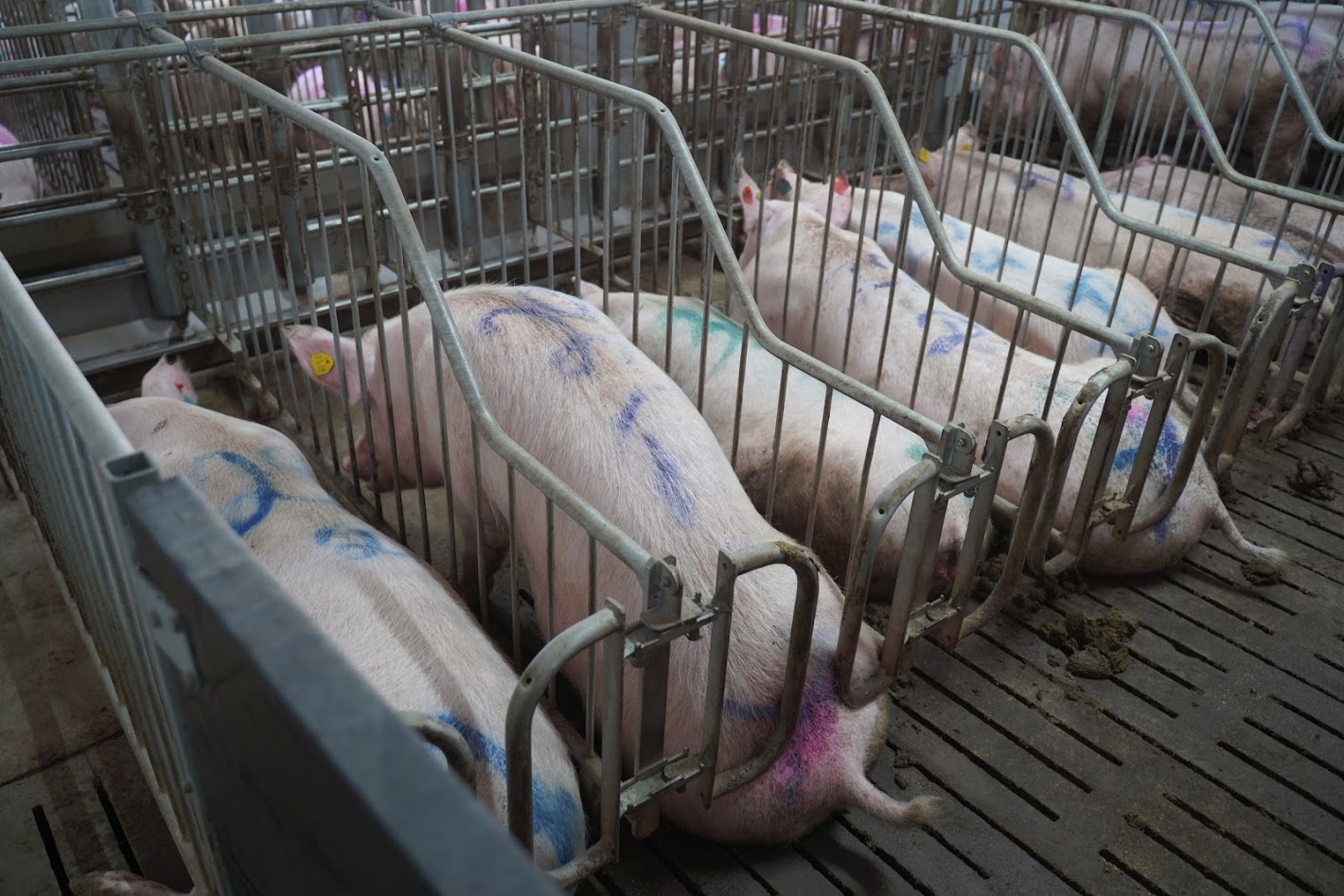
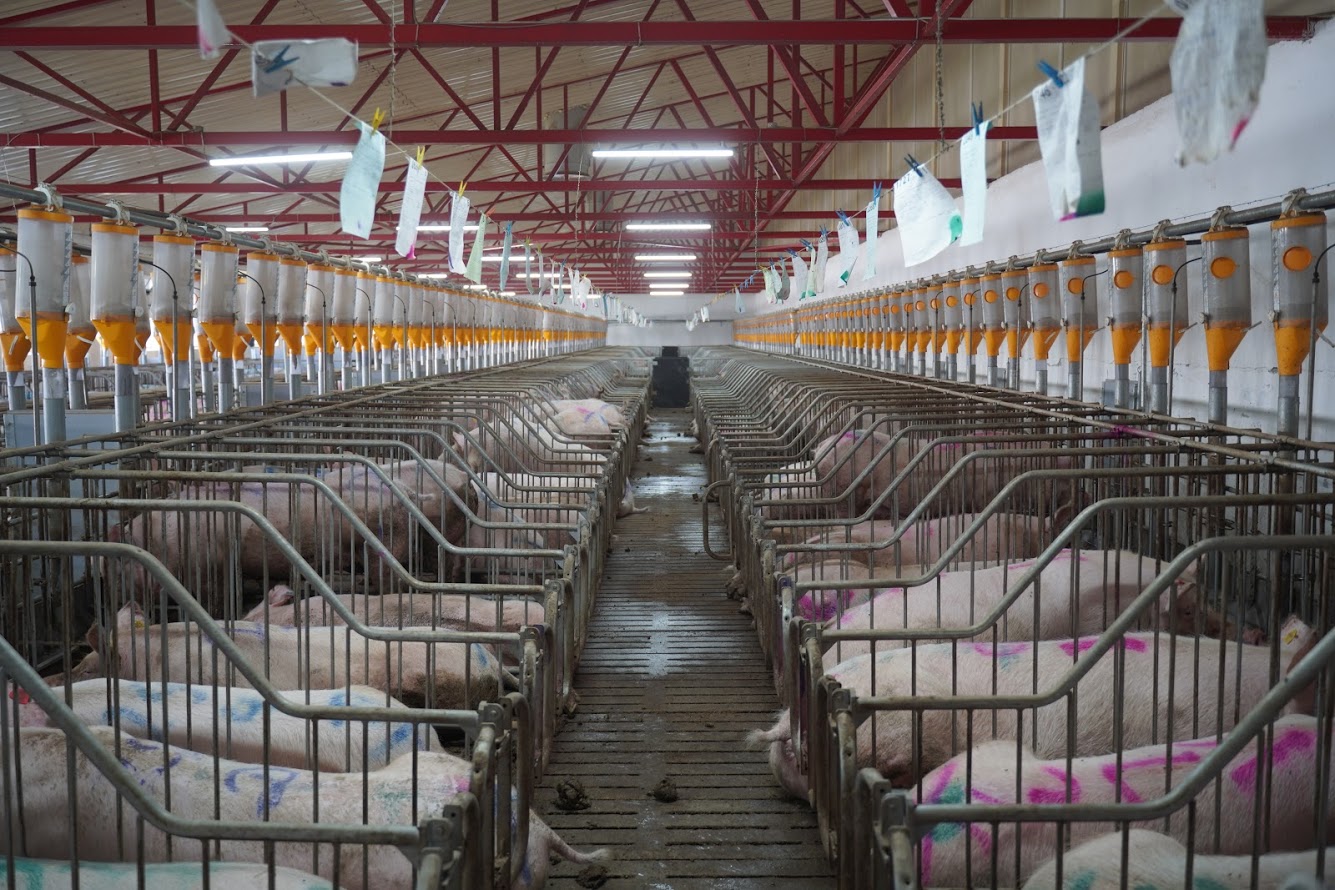
From day 42 to day 85, sows consume an average of 2.2 kg of compound feed per day. After day 85, the ration increases to 3.5 kg. In the gestation unit, key veterinary procedures are also carried out: deworming, vaccinations against colibacillosis, and others, so that sows develop the necessary immunity, which they later pass on to their piglets.
Farrowing Unit
The farrowing unit, where piglets are born, is the heart of the pig complex. Immediately after birth, it is extremely important that piglets gain access to the sow’s colostrum, as this is how they acquire immunity.
Two days before farrowing, the amount of compound feed is reduced to 2 kg per day. On the day of farrowing, after the first piglet is born, feed is stopped to ensure free access to water, as it is very important for the sow to drink enough after farrowing. Piglets may be born at intervals of 5 to 20 minutes, and if there are 18 piglets, farrowing can last up to 6 hours.
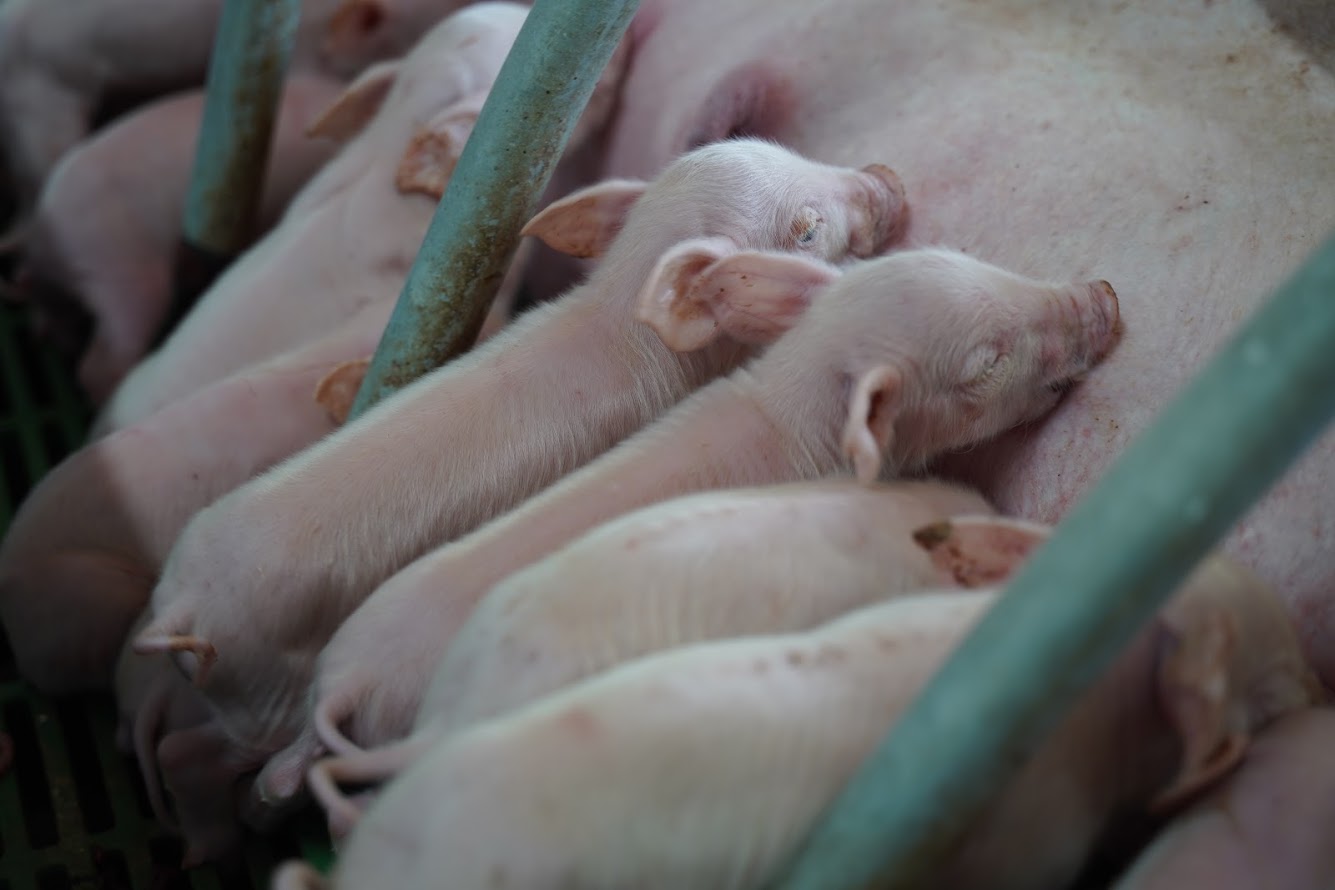
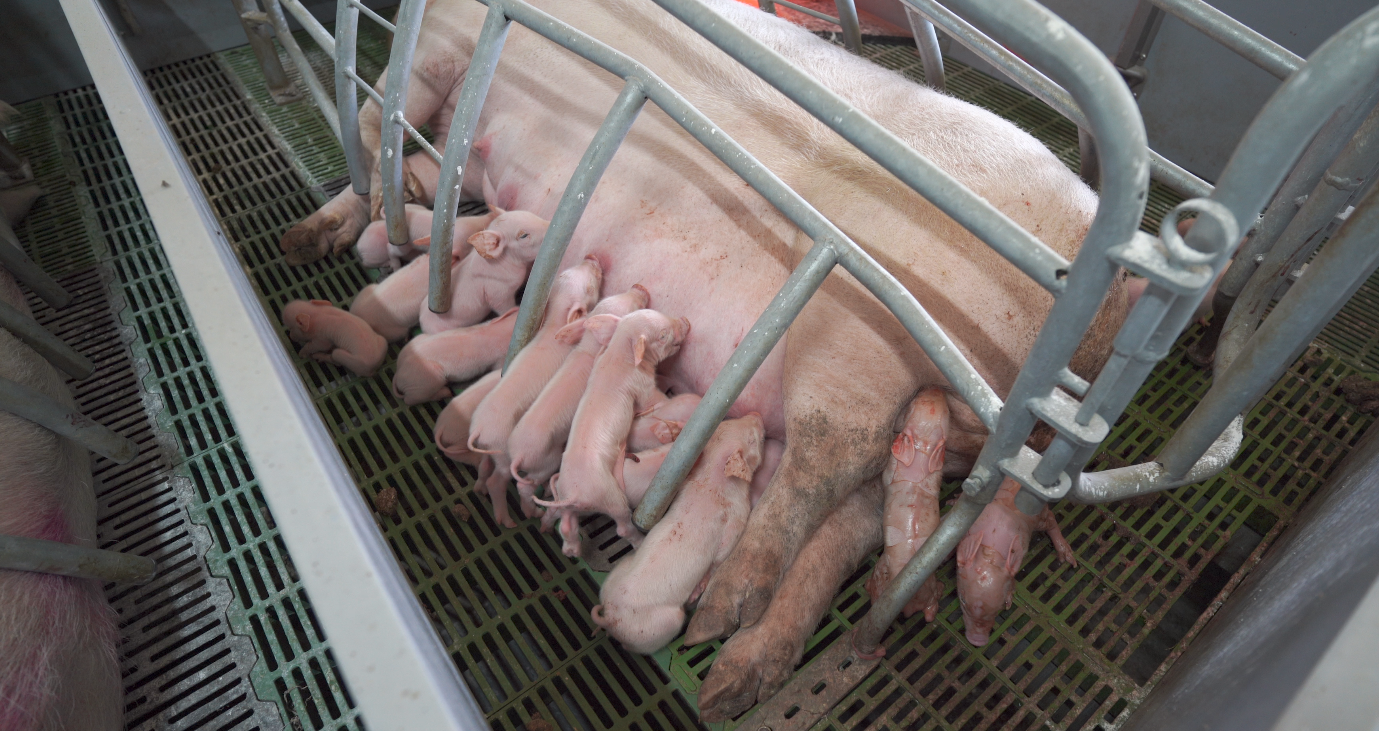
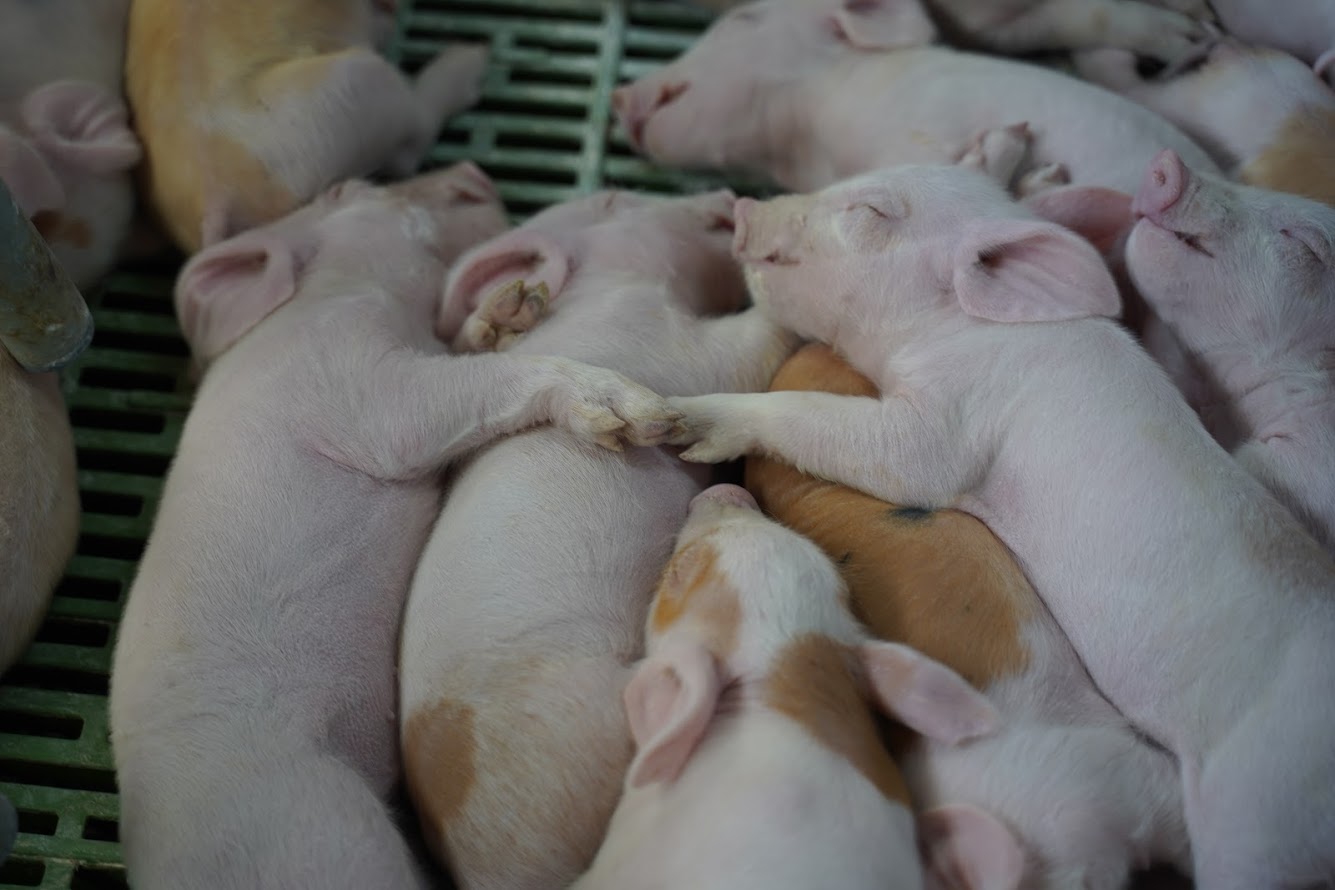
Here, operators are always on alert and monitor the process to ensure that piglets are wet. When a piglet is dry, it means the interval has already exceeded 30 minutes and staff intervention is required, along with assistance if the farrowing is difficult. An oxytocin injection is administered if necessary, antibiotics are given, the sow’s temperature is monitored, and so on.
Thus, in the farrowing unit, like in a real maternity ward, it is hot and there is constant activity — newborn piglets require continuous attention. If necessary, a “foster mother” is selected to properly nurse the piglets until they are transferred to the nursery unit, because not every sow is capable of raising 18 piglets through the end of the lactation period.
Piglet Care
The main procedures carried out for piglets from the first day of life until day 28 include trimming the umbilical cords to prevent hernias, grinding the needle teeth to avoid injuring the sow, and castrating male piglets by day 5.
Iron is administered to prevent anemia, and a coccidiostat is given to prevent diarrhea. After day 5, if all procedures have been carried out correctly by that time, the main task of the staff is to ensure that the sow has sufficient milk — then the piglets will feel excellent until weaning.
Another important aspect that requires attention is stress, as it leads to reduced weight gain, deterioration in appearance, diseases, and other issues.
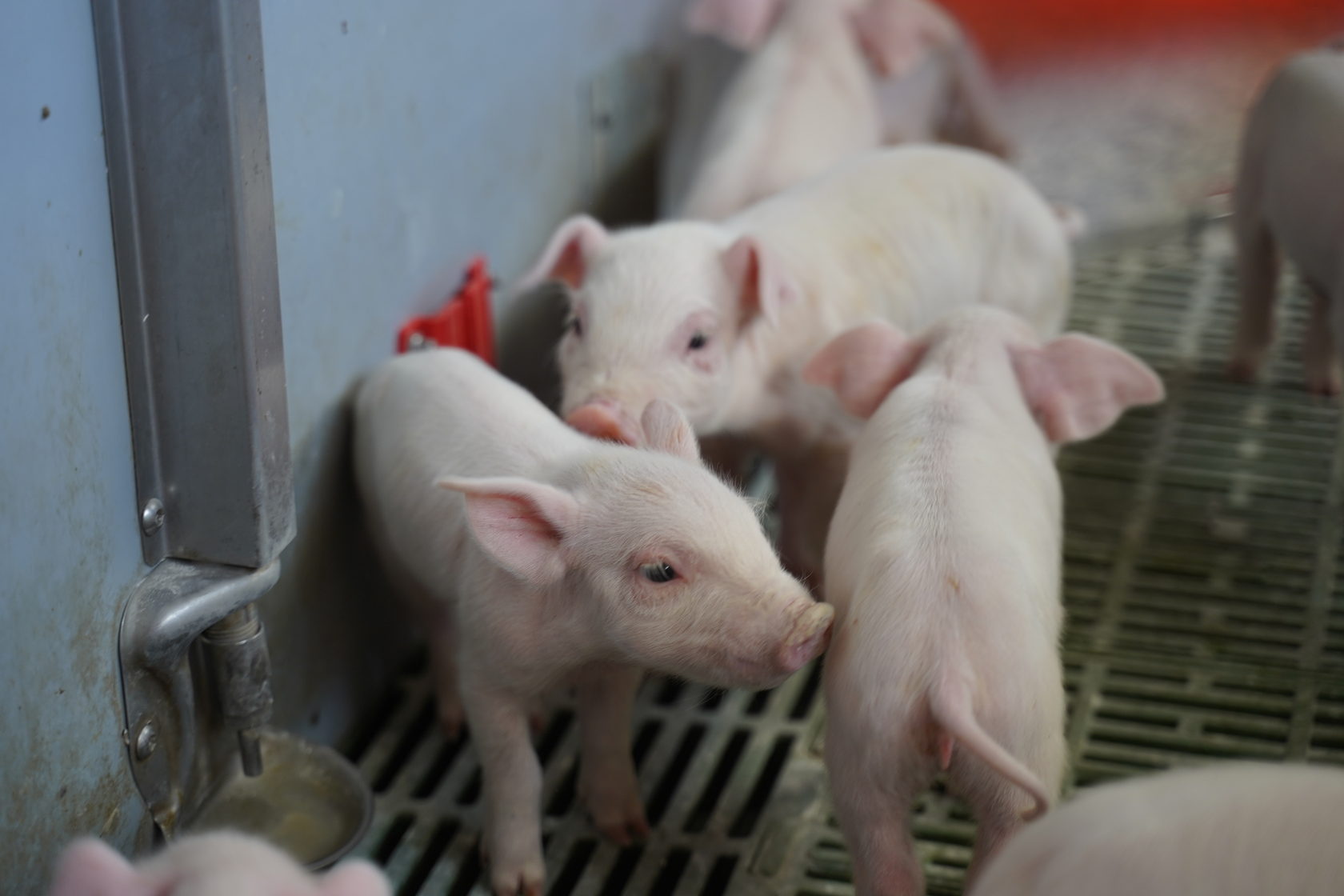
It is necessary to monitor the sow, making sure she is a good mother, and to set the correct “lactation ramp-up” during the first seven days. Feed must not be provided ad libitum immediately, as this can lead to mastitis, followed by agalactia, milk loss, piglet weight loss, and even mortality.
The ramp-up is done during the first three days, increasing compound feed by 0.5 kg per day. From day 3 to day 10, feeding is increased by no more than 1 kg per day. After day 10, compound feed can be provided ad libitum so that the sow eats a lot and produces a lot of milk. The average level considered normal during lactation is 6.5 kg of compound feed. If a sow eats less, this may lead to reduced milk quality or loss of backfat, which is unacceptable because it will later cause reproductive problems. Loss of fat can also make the milk excessively fatty, which may result in fatty diarrhea in piglets — again leading to additional medication costs and increased mortality. Therefore, it should be remembered that a good, healthy sow with well-developed mammary glands is the key to piglet health.
Source:Kurkul.com